Peter Bashore
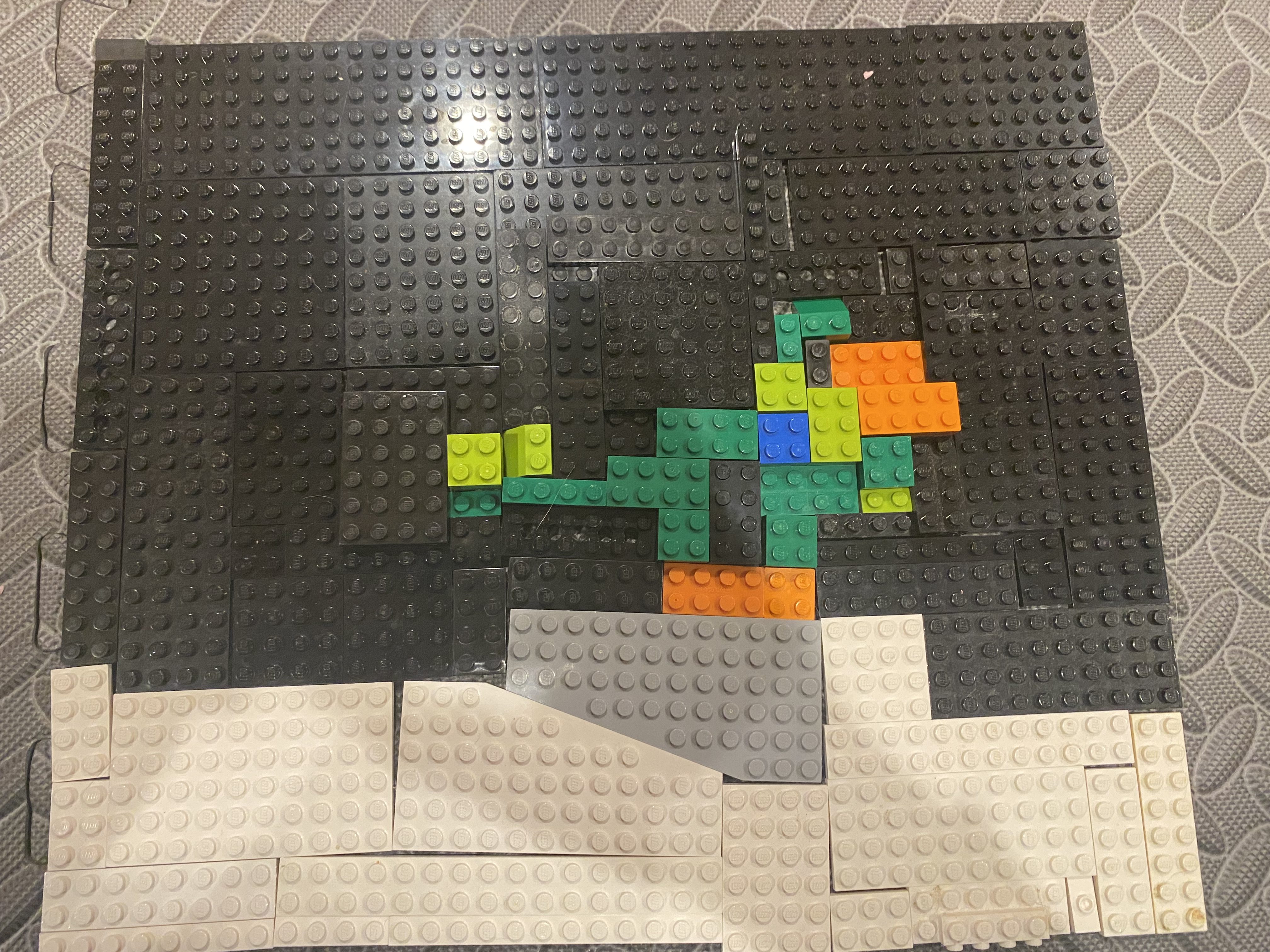
Artist’s Statement Audio: https://youtu.be/Zf318lhTtDQ
Above is a short piano piece that has a soft sound and does not distract from the art while looking at it. In fact, I would argue that softly playing music while looking at an art piece would help analyze the piece, as someone may be able to relate the music to the piece directly in a way like style. Similarly to how art museums have low, soft background music to keep a calming sense present throughout the museum’s exhibits, I chose this piece of music because it does not have any kind of unnerving or unexpected tones. I believe that having some sort of music playing while looking at and experiencing works of art is necessary to fully embrace the piece of art. Of course, the music should vary depending on what is depicted in the piece, but for the Parrot Pergamon mosaic it is necessary for a calmer sounding piece to be playing in the background.
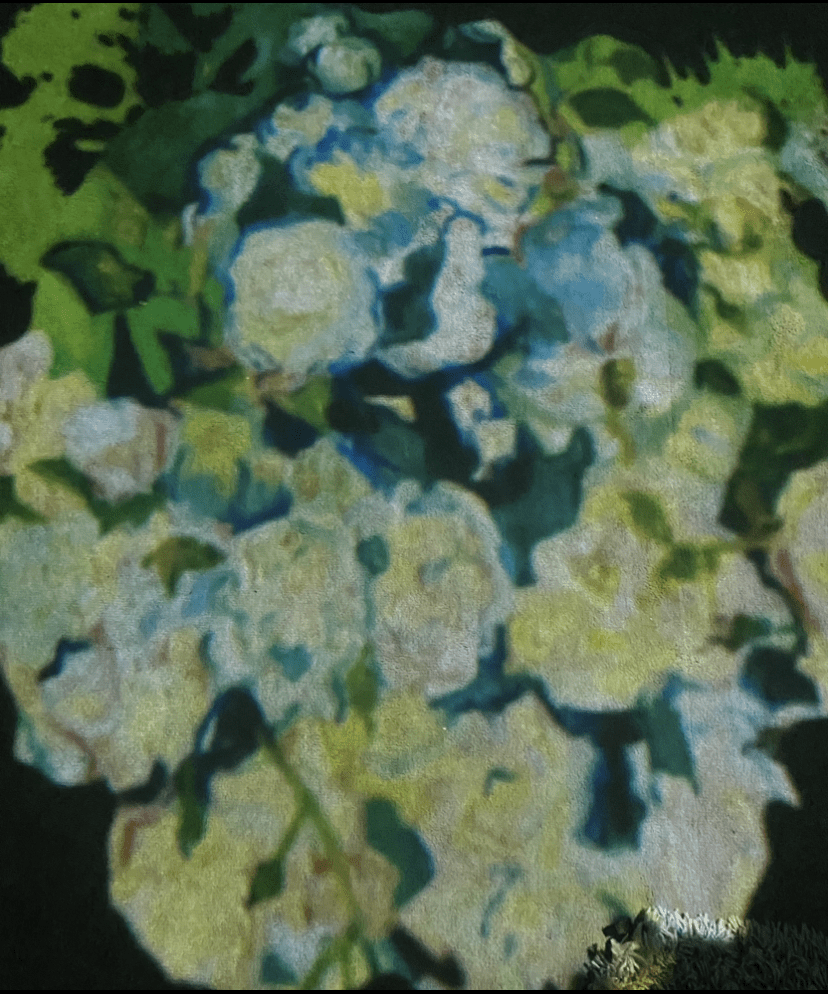
Above is a picture of a mosaic projected on the floor at the Van Gogh Immersive Experience in DC. Similarly to how I suggested a calming music piece as linked above, the music being played during while this mosaic was projected on the ground was calming and softer. This mosaic is significantly better than mine as I am not an artist, but I’d like to think that mine is somewhat close to as cool in comparison.
Questions I Have/Had:
- Which step of the process did you find most difficult? Which part was easiest?
- Seeing how long and frustrating it was for me to make a very small mosaic, how much of a daunting task would it for mosaicists to create a mosaic they weren’t enjoying making on a large scale, say if they were commissioned to do so?
- Would it be easier and quicker to use materials with a greater height, like a thick tile, rather than a shorter height, like some of the Lego bricks I used?
- (Building off question 3) Would using a taller material make the mosaic gain or lose the mosaic feel?
 MOSAIC PROJECT 23