Origin and History of the Site
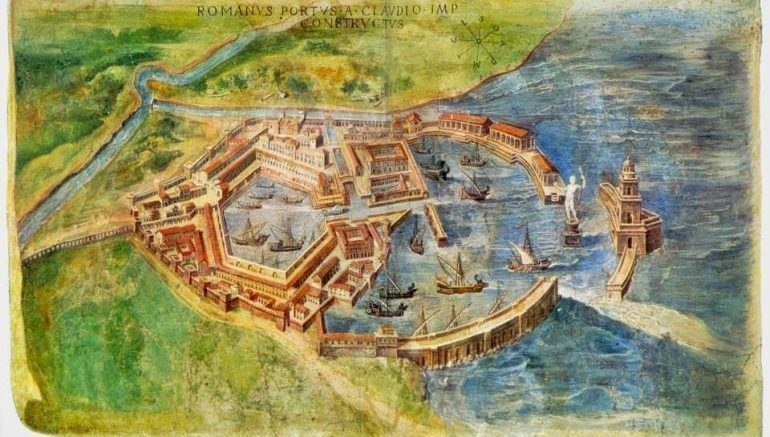
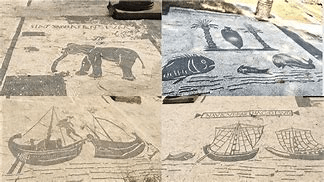
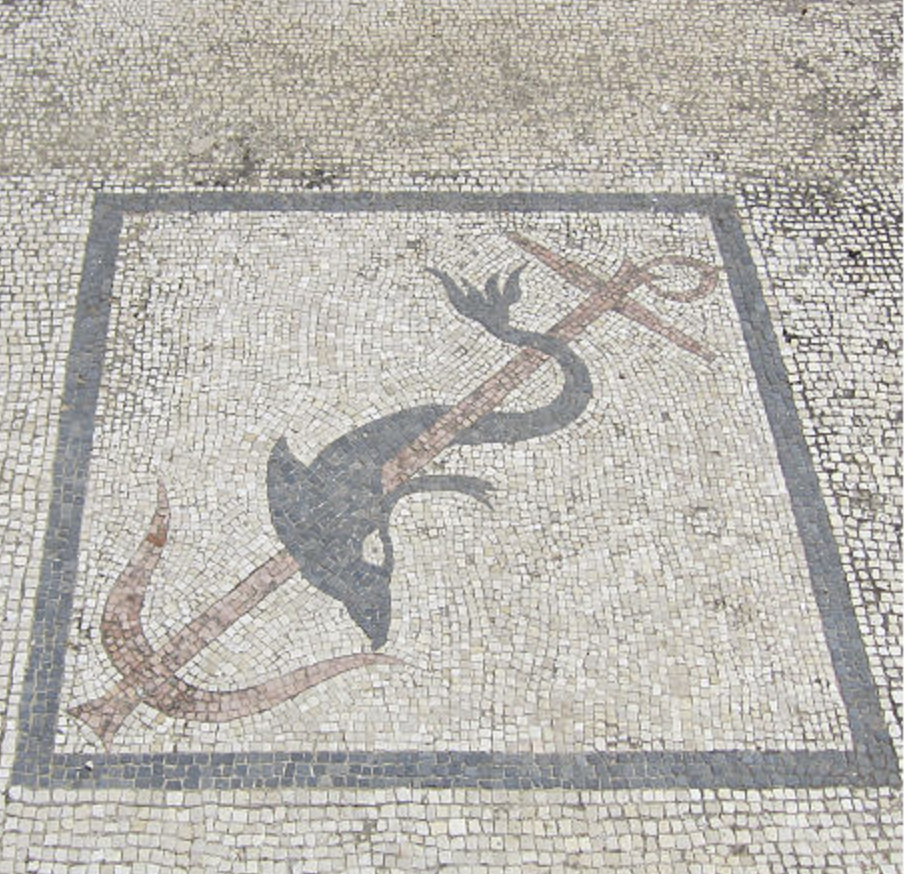
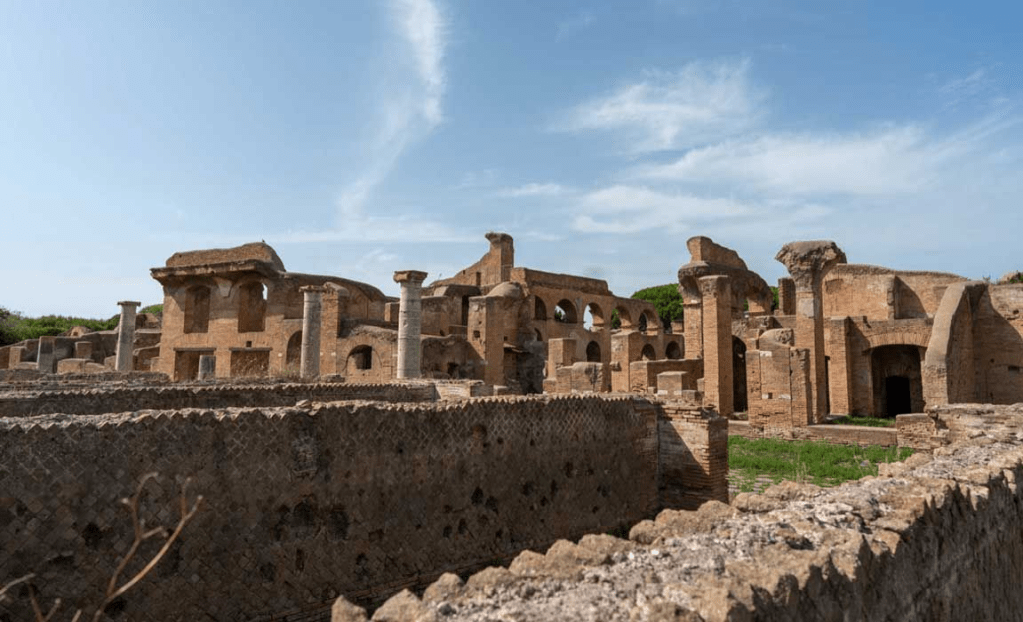
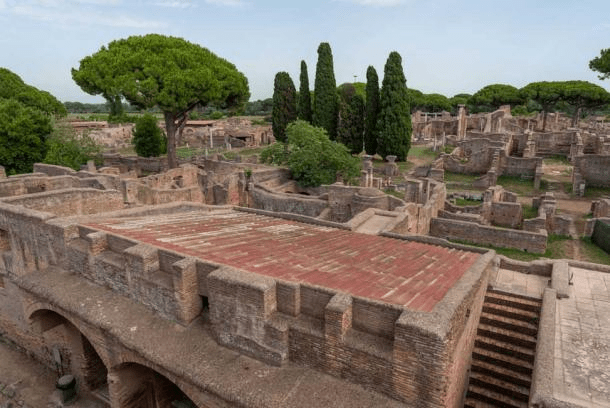
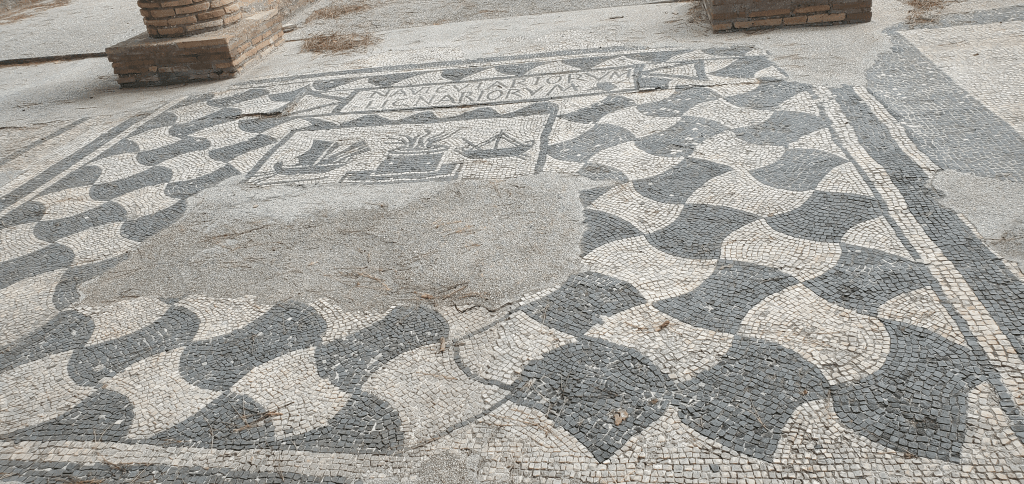
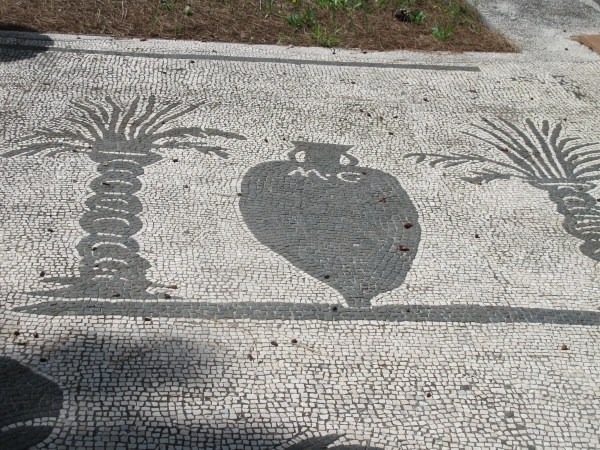
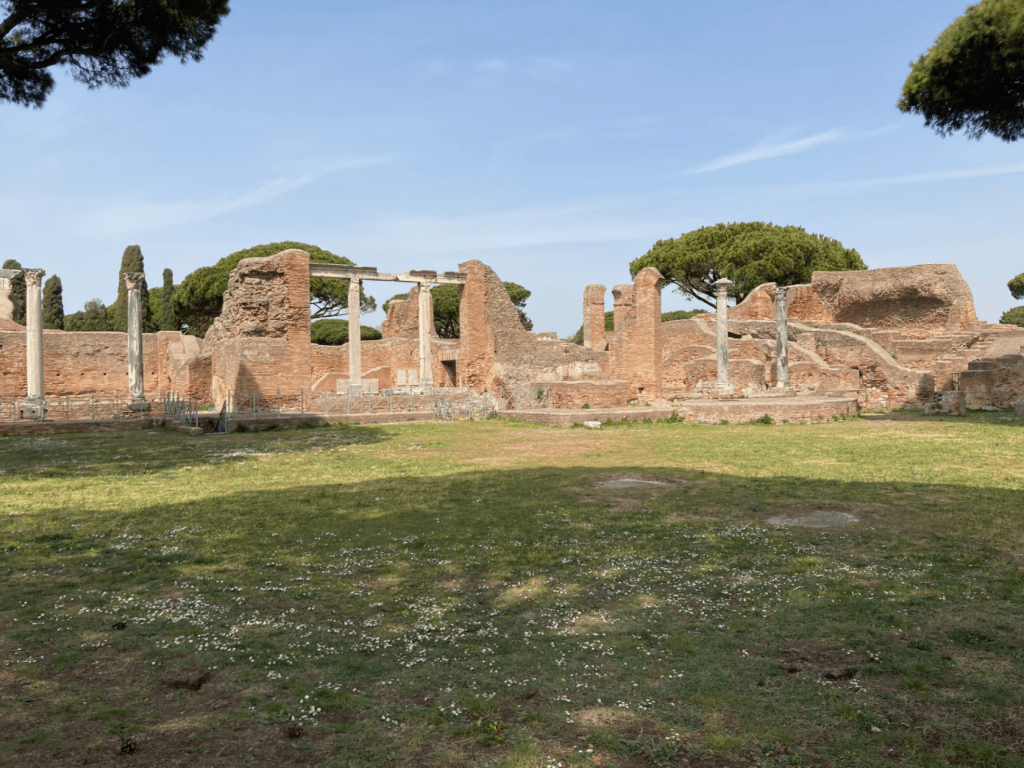
Ostia Antica was an ancient seaport built in 355 BCE, originally as a military outpost. It received much traffic due to vendors and adventurers passing through, and eventually became a large trading hub for the Romans. It grew in popularity and had many architectural delights created in the town. The Cart-Driver’s Bath and the Baths of Neptune are the most famous of those constructed. They have beautifully crafted mosaic floors that have beat the test of time and are still standing today. Besides the bath house tessellations, there were advertising mosaics in the Forum of the Guilds, a place where salesmen and merchants set up their shops and stores. Ostia Antica was also the site of battles during Roman civil wars, as cutting off its trade was imperative. Temples, warehouse, and even apartments were constructed for its some fifty thousand residents. However, all good things must come to an end, and eventually Ostia Antica became infested with malaria, causing it to be abandoned. After this, the city was subject to looters and thieves often, and much of what Ostia Antica had may be lost forever because of them.
The Baths of Neptune
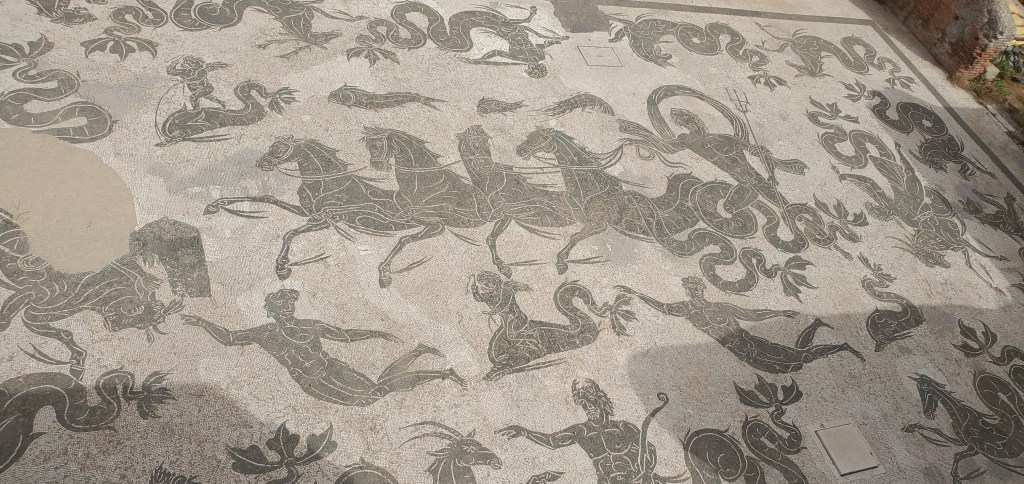
The Baths of Neptune is the most distinguished and acclaimed mosaic of Ostia Antica. Nothing is truly known about the specific architect, builder, or artist of any of it. It was a bathhouse for wealthy Roman people who wanted to separate themselves from the common people. The mosaic was built around 139 CE and is made out of marble, flint, and local rocks. The entire thing is an enormous four thousand square meters. It depicts Neptune riding a chariot that is being pulled by hippocampi, or mythological seahorses. It also has images of fish and other aquatic animals. In one of the main bath chambers, the frigidarium, there is a depiction of Scylla, a legendary Greek and Roman monster of the seas. There are pictures of what appears to be boxers or fighters and even one of Amphitrite, Neptune’s wife, riding a hippocampus. Each of these mosaics are in different rooms and cells of this massive bathing house.

Why Mosaics?
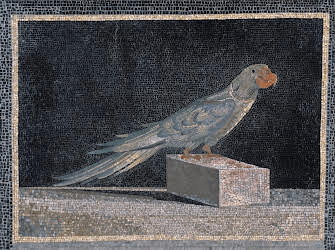
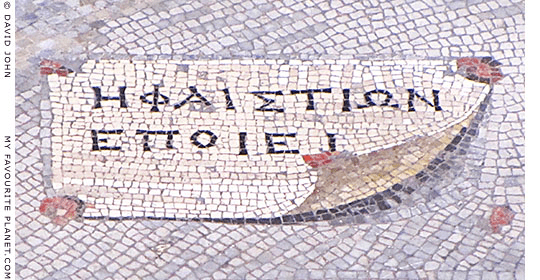
Mosaics are a form of art in which many small stones, tiles, or other pieces are placed and colored to produce an image or scene. They have originated separately in places like Mesopotamia and the Americas, but the Romans and Greeks popularized it. The Romans used mosaics as ornamental walls, fountains, floors, etc. They were used as advertisements in cities, ways to celebrate religion, and overall expression of creativity and art. The main reason mosaics were used over paintings or other forms of art is because they would last longer, were often easier to make, and could be put literally anywhere. They could be put in places where there is water, unlike paintings, such as bath house or ports. This versatility is what made them so loved and famous, as efficiency is always favorable. Due to the nature of how they are made, mosaics can last an incredible extent of time, especially if covered by layers of dirt and clay, like most are after all these years.
Cites Used
Mules, Gods, and Ad Men: Ostia Antica’s Mosaics
History of Mosaics in a New Light
-Christopher Geldmacher









 MOSAIC PROJECT 23